

Groundwater. Engineered.
Hydrogeology, pumping tests, MODFLOW modelling and design calculations behind every WellTech system.
A dewatering contractor installs pumps. A groundwater engineer first understands the aquifer, then designs the smallest system that does the job.
Our geologists and geotechnical experts analyse soil conditions and water tables. Our engineers turn that into numerical models, calculations and designs that hold up in front of consultants and authorities.
From site data to signed-off design
- 01 GEOLOGY
Hydrogeological assessment
Review of soil investigation reports, borehole logs and groundwater levels to understand permeability, aquifer layers and boundaries.
- 02 TEST
Pumping tests
A well is pumped at a controlled rate while drawdown is measured in surrounding observation wells. The results give the aquifer’s hydraulic properties, well performance and boundaries.
- 03 MODEL
Groundwater modelling (MODFLOW)
Numerical simulation with MODFLOW and other industry software, combined with site data and pumping test analysis, to predict groundwater behaviour and optimise the system.
- 04 DRAWDOWN
Drawdown and impact assessment
The predicted drawdown at the excavation and around it, including effects on neighbouring structures and the wider water table.
- 05 DESIGN
Dewatering and system design
Well layout, depth and spacing, pump selection, power and standby, matched to the construction sequence.
- 06 HYDRAULICS
Hydraulic and pipeline calculations
Flows, heads and pipe sizing for collection networks, long transfer routes and discharge lines.
- 07 METHOD
Methodology and optimisation
Method statements, staged drawdown plans and value engineering that reduce wells, pumping and fuel.
- 08 AUTHORITY
Authority technical submissions
Technical packages for discharge approvals and permits, with validity tracked through the project.
- 09 MONITOR
Monitoring and interpretation
Observation wells, flow records and trend analysis to confirm the design and adjust the system.
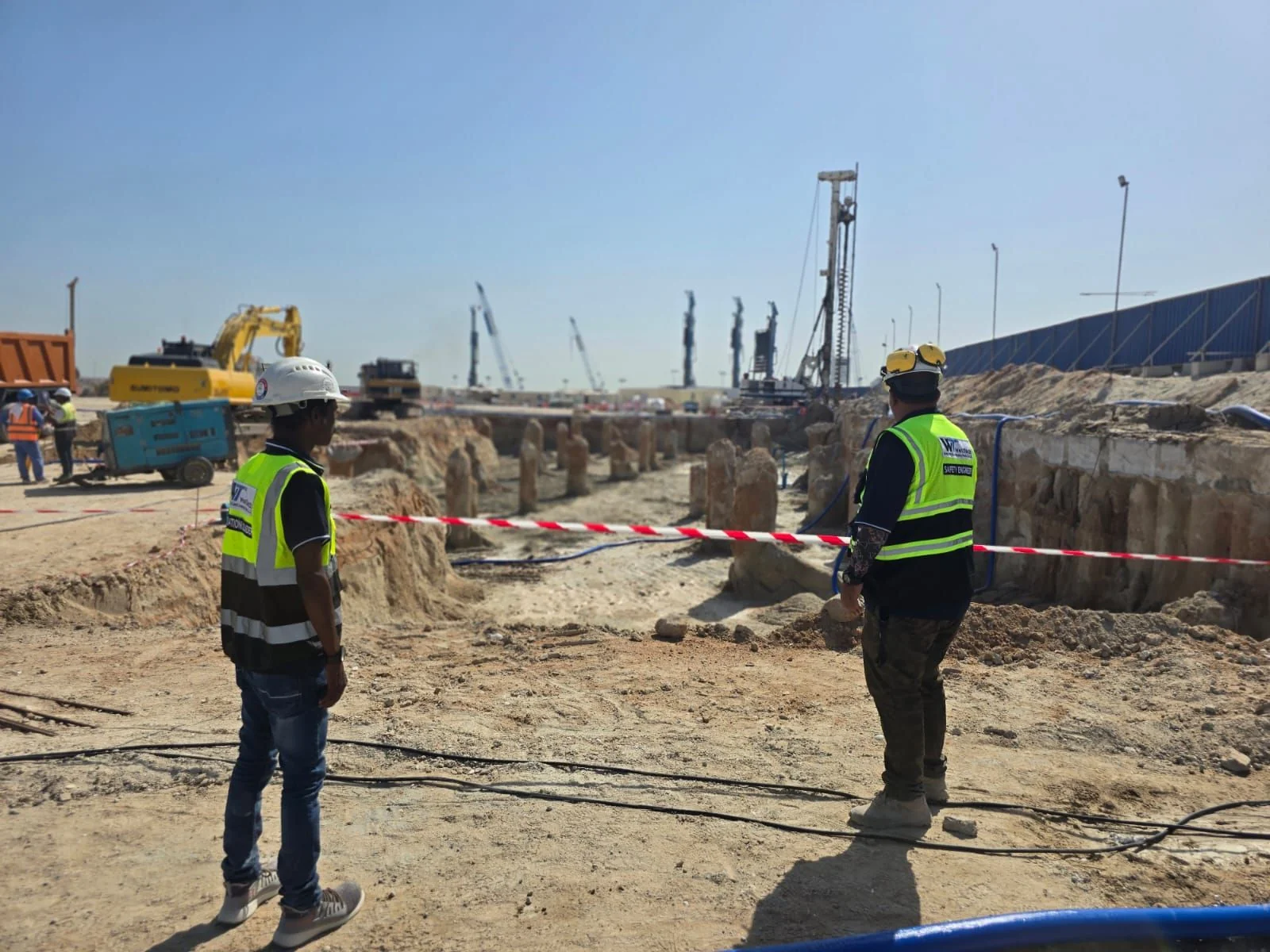
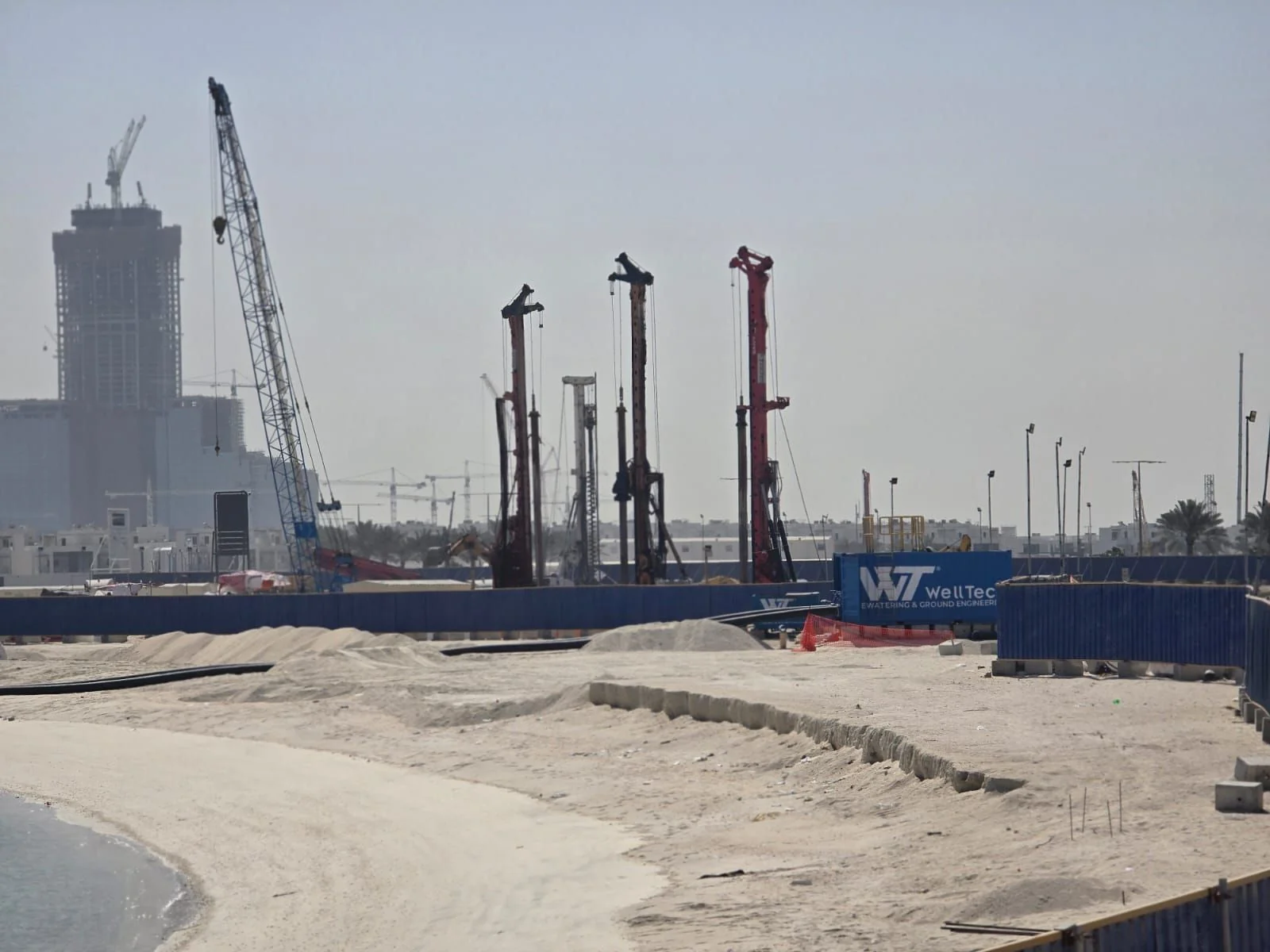
Less uncertainty. Fewer wells. Lower risk.
An engineered design predicts what the ground will do, so the system is sized to the real need. That means less over-pumping, less fuel and fewer surprises on site.
Have a difficult groundwater problem?
Send us the soil investigation and drawings. Our engineers will tell you what the ground is likely to do and how to control it.
Request a technical assessment